Understanding Our Family Dynamics, Reclaiming Our Freedom
A special six-week series from Maui Healing Retreat
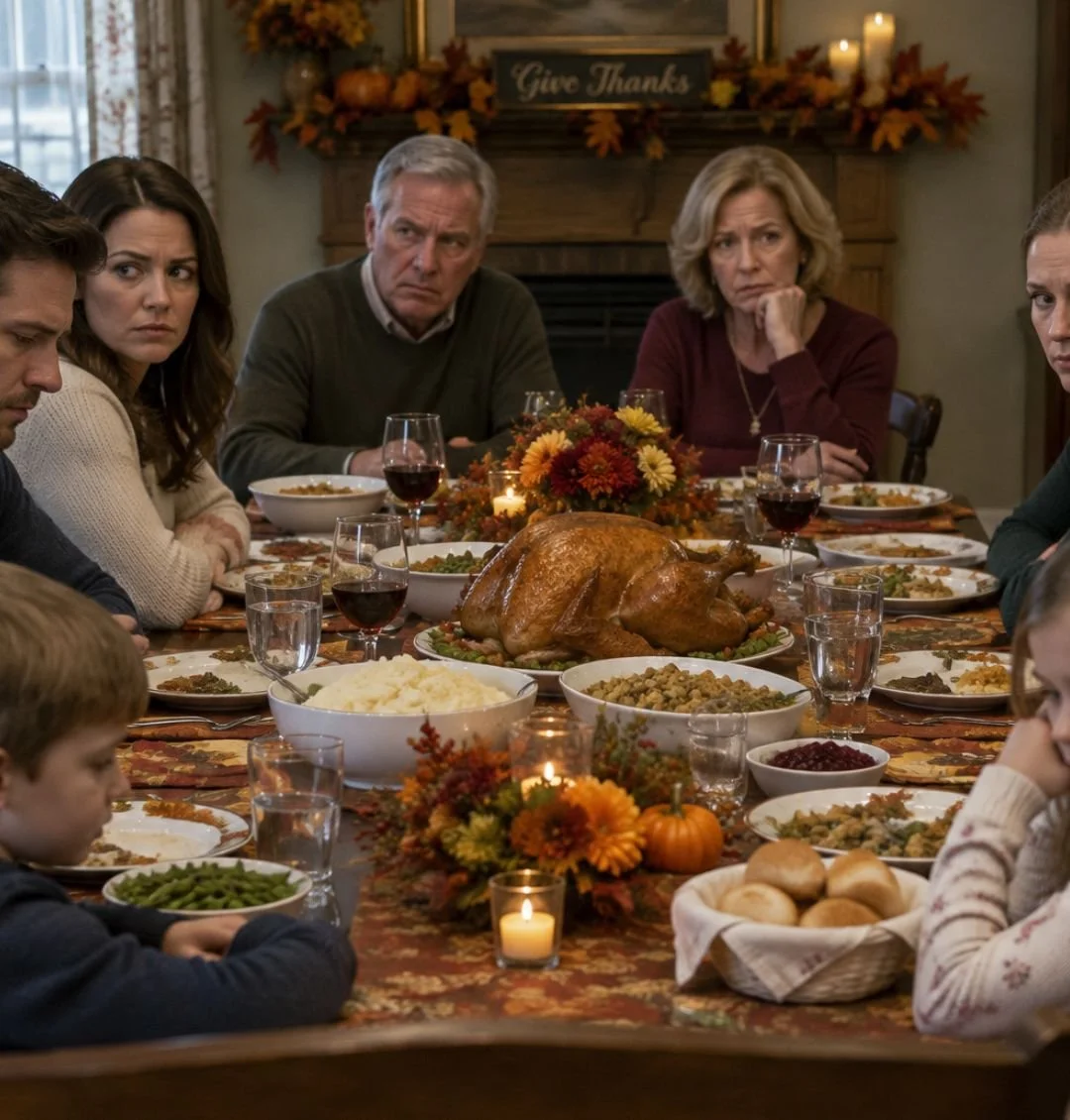
Christmas is often described as a time of love, connection, family and celebration.
And yet, for many of us, the holiday season can bring something quite different.
Old emotions resurface. Familiar family roles reappear. Conversations take unexpected turns. We may find ourselves slipping into behaviours we thought we had outgrown, feeling responsible for other people's happiness, or hoping that this year our family relationships will somehow be different.
Perhaps we become the peacemaker, the responsible one, the one who keeps everyone happy, or the one who quietly withdraws.
Why does this happen?
And perhaps more importantly, how can we approach these experiences differently?
This Christmas, Maui Healing Retreat invites you to join us for a special six-week series of Midweek Reflections: Understanding Our Family Dynamics and Reclaiming Our Freedom.
Beginning next week, we'll publish a new article exploring the emotional patterns we carry into our family relationships and offering practical tools to help us navigate them with greater awareness, compassion and choice.
Rather than trying to change other people, this series is about understanding ourselves.
Because sometimes the most meaningful transformation begins when we change our relationship with the patterns we have been living in.
Why family dynamics can be so challenging
Our earliest relationships help shape how we understand connection, safety, love and belonging.
As children, we naturally adapt to the emotional environment around us. We learn what behaviours bring approval, what emotions are welcomed, what needs are acknowledged and what parts of ourselves we may need to hide.
These adaptations often serve an important purpose at the time.
We might become exceptionally accommodating, independent, responsible, emotionally expressive or self-reliant. We learn to read other people's moods, avoid conflict, seek approval or take care of everyone around us.
But the strategies that helped us navigate childhood can sometimes become patterns that limit us as adults.
We may continue seeking validation from people who struggle to offer it. We might feel guilty setting boundaries, become overwhelmed by family expectations or repeatedly find ourselves in relationships where our needs take second place.
The holiday season can bring these patterns into sharper focus because we often return to the very environments in which they first developed.
Recognising this is not about blaming our parents, families or ourselves.
It is about developing a more compassionate understanding of how we became who we are, and discovering where we have the freedom to choose differently.
The inspiration behind this series
Throughout these six weeks, we'll draw on two particularly insightful books:
Adult Children of Emotionally Immature Parents by Lindsay C. Gibson
Gibson explores how emotionally immature parenting can influence children's development, relationships and sense of self.
Her work helps us recognise emotional limitations in others without automatically interpreting them as a reflection of our own worth.
It also introduces the idea of the role self: the ways we learn to adapt to our family environments, sometimes at the expense of our authentic needs and feelings.
Changeable by J. Stuart Ablon
Ablon's work offers a different but complementary perspective on behaviour and change.
Rather than viewing difficult behaviour simply as a matter of character or unwillingness, his approach explores the role of capacity and the skills people have available to them.
This distinction can be incredibly helpful in family relationships.
Sometimes people aren't responding differently because they don't care. They may lack the emotional skills, flexibility or capacity to engage in the way we hope.
Understanding this doesn't mean accepting hurtful behaviour or abandoning our boundaries.
It simply allows us to respond with greater clarity rather than repeatedly trying to force an outcome that may not be within our control.
Together, these two perspectives offer a compassionate framework for understanding family relationships while taking responsibility for our own choices.
Our six-week journey
Each week, we'll explore a different aspect of family dynamics, with reflections and practical exercises to help you apply what you're discovering.
Week 1
Recognising Emotional Immaturity: Seeing Clearly Without Blame
Why do some people struggle to acknowledge feelings, take responsibility or engage in emotionally reciprocal relationships?
We'll explore the characteristics of emotional immaturity and how recognising these patterns can help us release unnecessary self-blame.
The invitation: What if someone else's emotional limitations aren't a reflection of your worth?
Week 2
The Roles We Learned to Play: Who Did You Become to Belong?
Were you the responsible one, the peacemaker, the achiever, the caretaker or the one who stayed quiet?
We'll explore the coping strategies we developed as children and how these roles can continue influencing our adult relationships.
The invitation: Which parts of yourself did you learn to hide, and which parts are you ready to reclaim?
Week 3
The Grief of Never Quite Connecting: Making Peace with What Wasn't Available
Sometimes the most difficult part of a family relationship is accepting that someone may never be able to offer the emotional connection we have always hoped for.
We'll explore unmet emotional needs, the grief of acceptance and the difference between letting go of expectations and giving up on ourselves.
The invitation: What might become possible if you stopped trying to receive something from someone who cannot offer it?
Week 4
Why Trying Harder Doesn't Heal: Understanding Capacity, Not Just Character
We often believe that if we communicate better, explain more clearly or try a little harder, our relationships will improve.
But what happens when the other person doesn't have the capacity to meet us where we are?
Drawing on Ablon's work, we'll explore the difference between willingness and capacity, and why changing our own responses can sometimes be more productive than trying to change someone else's.
The invitation: Where are you putting energy into something that isn't yours to control?
Week 5
Creating a Plan B for Christmas: Boundaries Without Guilt
What happens when family gatherings become emotionally challenging?
We'll explore how to prepare for difficult interactions, establish healthy boundaries, manage expectations and create alternative ways of approaching the holidays.
Having a Plan B doesn't mean expecting the worst.
It means giving yourself permission to care for your own wellbeing, whatever happens.
The invitation: What would Christmas look like if you included your own needs in the planning?
Week 6
Reflection & Integration: Choosing a Different Way Forward
As Christmas approaches, we'll bring everything together.
What have you discovered about your family patterns? What roles are you ready to release? Where have you developed greater clarity? And what choices can you carry into the new year?
We'll finish with a practical reflection and integration exercise to help you move forward with greater self-awareness and compassion.
The invitation: What would it mean to enter Christmas as the person you are today, rather than the person you learned to be in your childhood?
How to get the most from this series
We encourage you to approach these mid-week reflections as a gentle weekly practice.
You might like to:
Set aside 15–20 minutes to read each article without distraction.
Keep a journal and write down the questions that resonate with you.
Notice when familiar family patterns appear in your everyday interactions.
Pay attention to your own emotional responses without judging them.
Choose one small action each week that supports your wellbeing.
You don't need to agree with everything you read or identify with every example.
Take what is useful, remain curious about what you discover and allow yourself time to integrate it.
Most importantly, remember that awareness is not about becoming perfect at managing relationships. It is about developing more freedom in how you respond.
An invitation to a different kind of Christmas
What if this year, rather than focusing exclusively on how to make everyone else happy, you included yourself in the experience?
What if you allowed yourself to have boundaries without guilt, to step away from unhelpful conversations, to release expectations that repeatedly lead to disappointment, and to appreciate the relationships that genuinely nourish you?
We cannot rewrite our childhoods, control how other people behave or guarantee that family gatherings will unfold as we wish.
But we can begin to understand the patterns we carry.
We can develop compassion for the younger versions of ourselves who learned to adapt.
And we can recognise that the choices available to us today may be different from the choices we felt we had as children.
This Christmas, let self-awareness be one of the gifts you give yourself.
We look forward to sharing these six mid-week reflections with you.
With warmth,
The Maui Healing Retreat Team
Continue your journey with Maui Healing Retreat
Sometimes recognising our patterns is the beginning of a much deeper healing journey.
Through personalised, trauma-informed wellness experiences, somatic approaches, breathwork, energy work and integrative healing practices, Maui Healing Retreat offers space to explore the patterns that may be keeping you from living with greater freedom and authenticity.
You don't have to navigate every part of your healing journey alone.
Discover our personalised healing experiences at MauiHealingRetreat.com.