
Conscious Fridays: Forgiveness:
What It Is — and What It Is Not
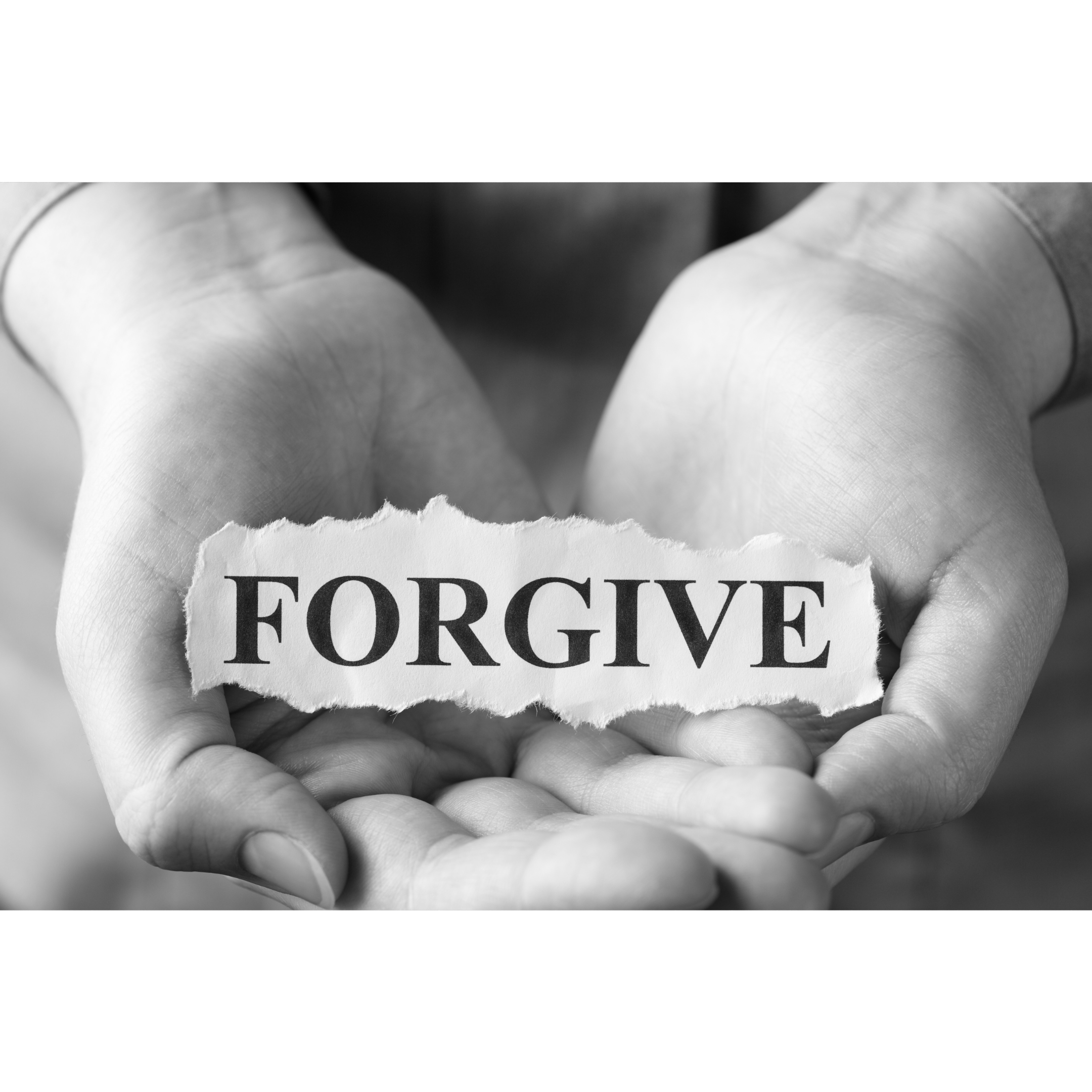
Forgiveness is one of the most misunderstood aspects of healing.
Many people believe forgiveness means:
saying what happened was okay,
forgetting the pain,
immediately trusting again,
or reconciling with someone who caused harm.
But true forgiveness is something entirely different.
Forgiveness does not excuse harmful behavior. It does not erase accountability. And it does not require abandoning healthy boundaries.
According to the Mayo Clinic, forgiveness is an intentional decision to release resentment and bitterness while still recognizing that the harm was real.
Forgiveness is not approval. It is freedom.
The Cost of Holding Onto Resentment
When we experience betrayal, abandonment, trauma, or emotional injury, anger can initially feel protective.
But over time, unresolved resentment can become emotionally and physically exhausting.
Research has associated chronic unforgiveness with:
increased anxiety,
depression,
chronic stress,
elevated blood pressure,
difficulty trusting,
and nervous system dysregulation.
According to Johns Hopkins Medicine, forgiveness may reduce stress and improve both mental and cardiovascular health.
The original wound may have happened in the past, but resentment often causes us to relive the pain repeatedly in the present.
Forgiveness says:
“What happened mattered. It hurt. But I no longer want this pain to control my life.”
Forgiveness Should Not Be Rushed
At the same time, forgiveness cannot be forced.
One of the most harmful messages people sometimes receive is:
“You just need to forgive and move on.”
Real forgiveness is rarely immediate.
Being too quick to forgive can sometimes become another form of self-abandonment — especially when someone has not yet:
acknowledged the harm,
processed grief,
expressed anger honestly,
or created healthy boundaries.
Healthy forgiveness often includes:
acknowledging the violation truthfully,
allowing grief and emotion,
understanding the impact,
rebuilding safety and self-worth,
and eventually deciding whether release is possible.
Forgiveness is not weakness. In many cases, it requires tremendous courage.
Why “I’m Sorry” Is Not Always Enough
Apologies matter. But healing usually requires more than words.
Someone can apologize simply to relieve their own discomfort or avoid consequences.
Genuine remorse includes:
accountability,
empathy,
changed behavior,
repair where possible,
and respect for another person’s healing process.
Trust is rebuilt through consistency over time.
Forgiveness and accountability are not opposites. Healthy healing requires both.
A Forgiveness Practice
Find a quiet place and reflect honestly on a hurt you may still be carrying.
Without minimizing the experience, ask yourself:
What happened?
How did it affect me?
What emotions am I still holding?
What boundaries or truths do I need to honor?
Then gently say:
“I may not be ready to fully forgive yet, but I am willing to begin releasing the hold this pain has on my life.”
Forgiveness often begins not with absolution, but with the willingness to stop reliving the injury every day.
There is no correct timeline. Healing asks for honesty, patience, compassion, and support.
Closing Reflection
Not because what happened was acceptable — but because we deserve freedom from carrying it forever.
Healing often begins in small moments of awareness, honesty, and compassion.
Perhaps forgiveness is not about forgetting the past.
Forgiveness invites us how to loosen the grip of what no longer serves us.
Forgiveness allows us to reclaim energy, peace, and presence.
Taken together with Gratitude, they create space for peace, renewal, and deeper healing.
References & Further Reading
Mayo Clinic – Forgiveness: Letting Go of Grudges and Bitterness
https://www.mayoclinic.org/healthy-lifestyle/adult-health/in-depth/forgiveness/art-20047692Johns Hopkins Medicine – Forgiveness: Your Health Depends On It
https://www.hopkinsmedicine.org/health/wellness-and-prevention/forgiveness-your-health-depends-on-itPsychology Today – The Power of Forgiveness
https://www.psychologytoday.com/us/basics/forgiveness